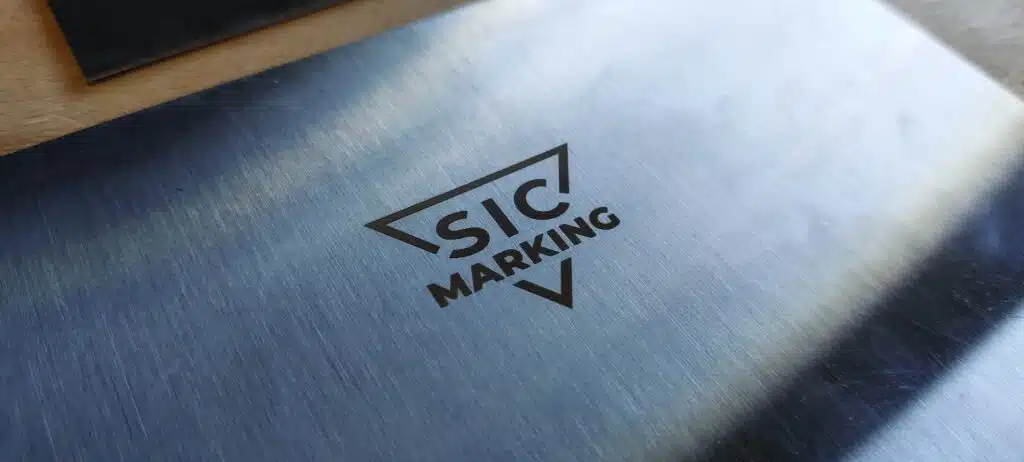
Resistant to detergents, regular disinfection, and even sterilization cycles, annealing marking ensures long-lasting traceability.
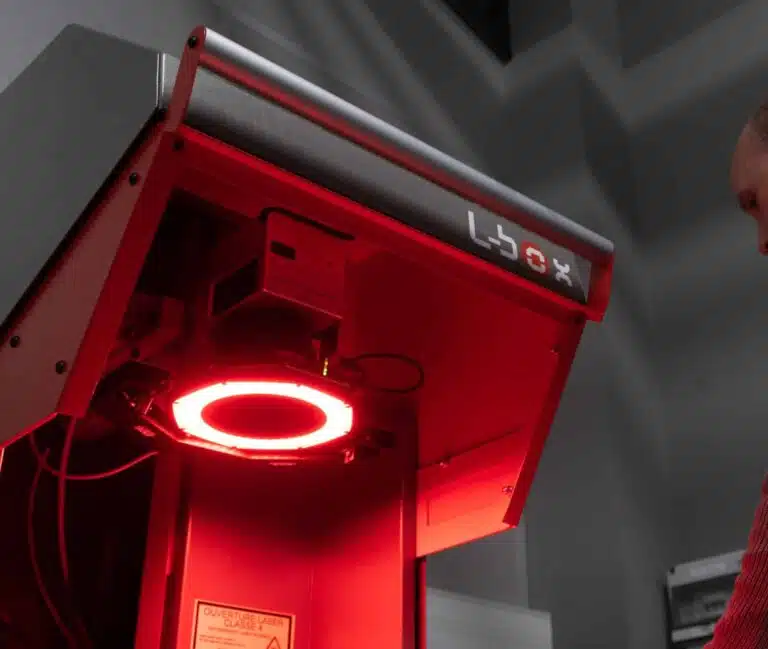
Beyond stainless steel, the L-MOOV is a versatile solution compatible with a wide range of materials: aluminum, engineering plastics, painted steels, and more.
Its mobility and versatility enable the marking of large parts, allowing fast and efficient identification directly on site.
Annealing marking (also known as laser annealing) is a laser marking technique primarily used on stainless steel materials.
Unlike other processes (engraving, ablation), no material is removed: the marking is created by modifying the surface structure of the metal.
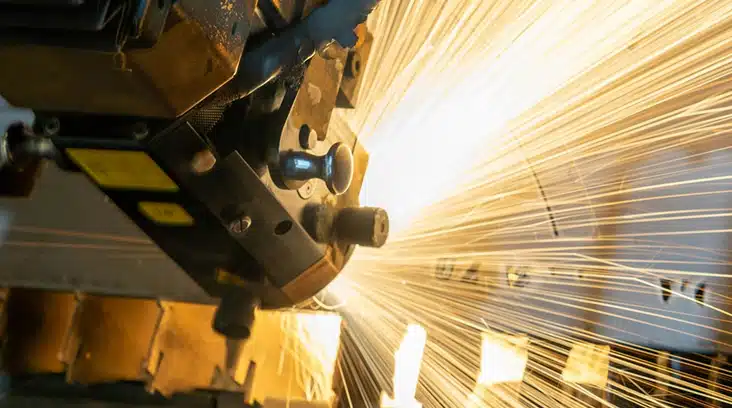
The laser locally heats the material surface to a temperature typically between 200 and 500 °C, triggering a controlled oxidation process. This reaction produces a thin colored oxide layer—usually black, brown, or bluish—without etching or penetrating the surface.
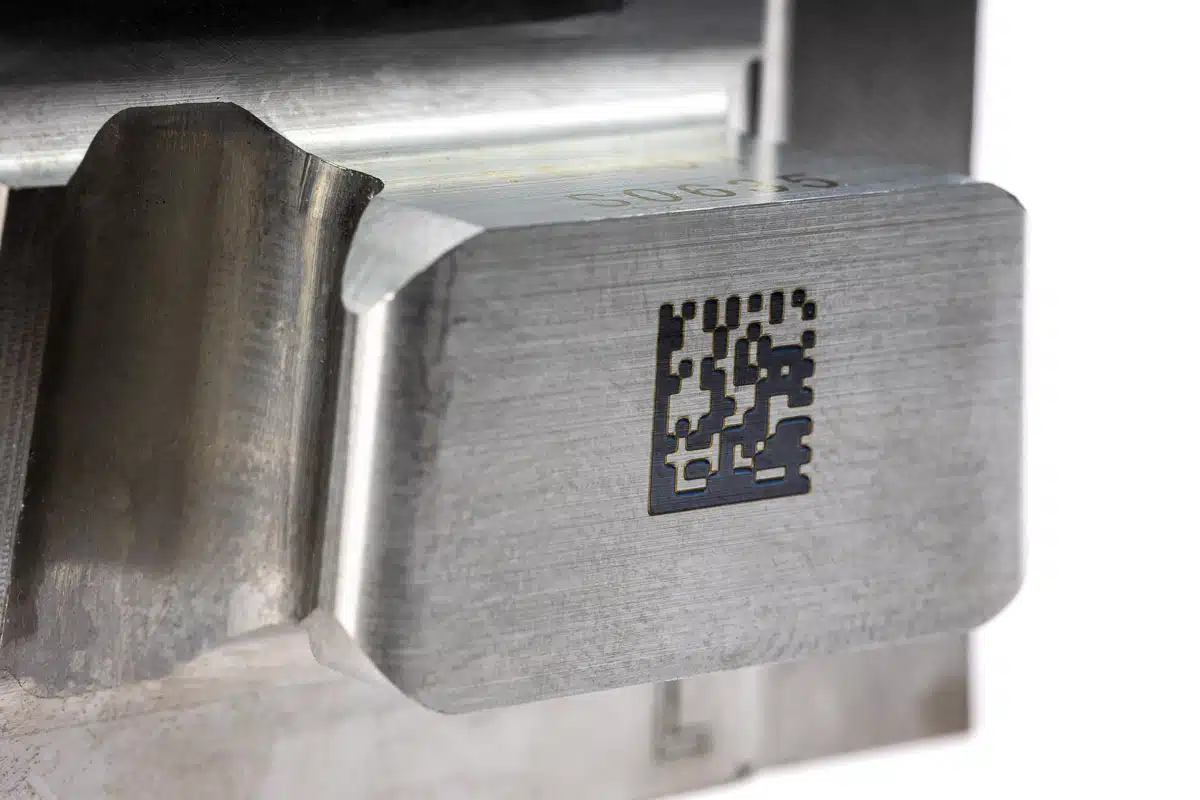
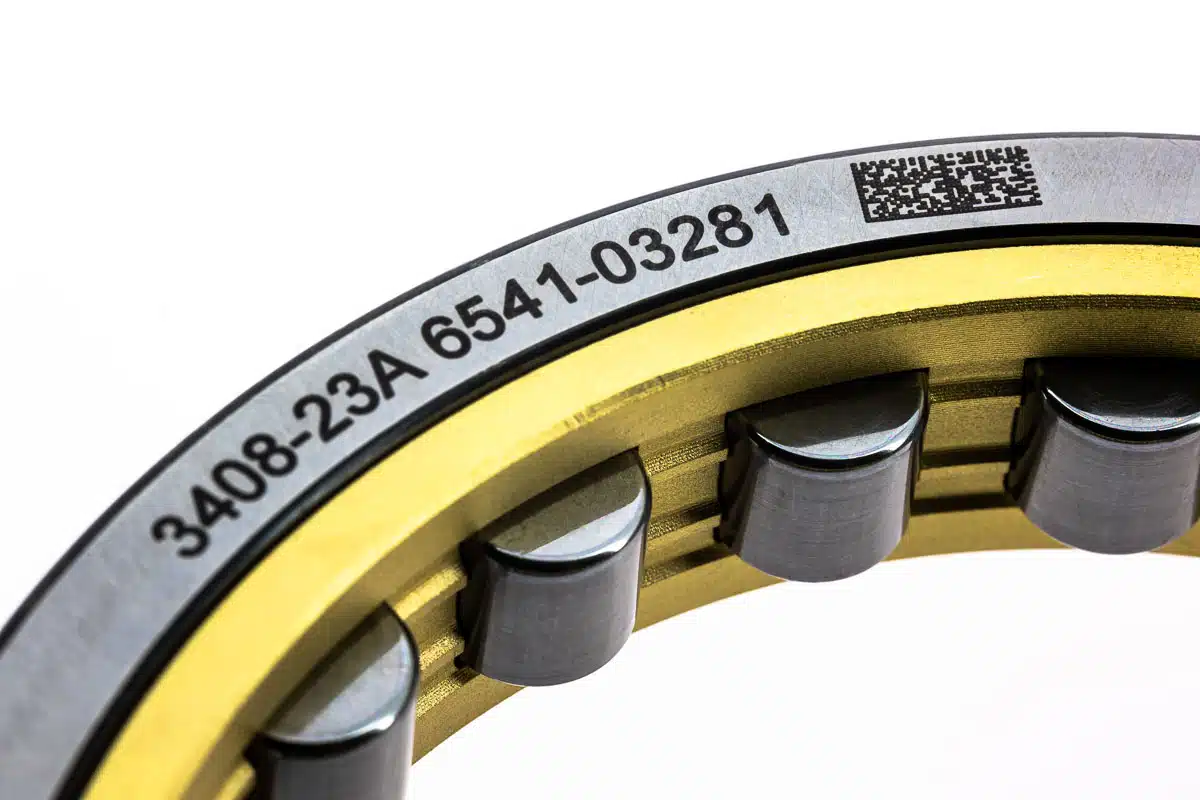
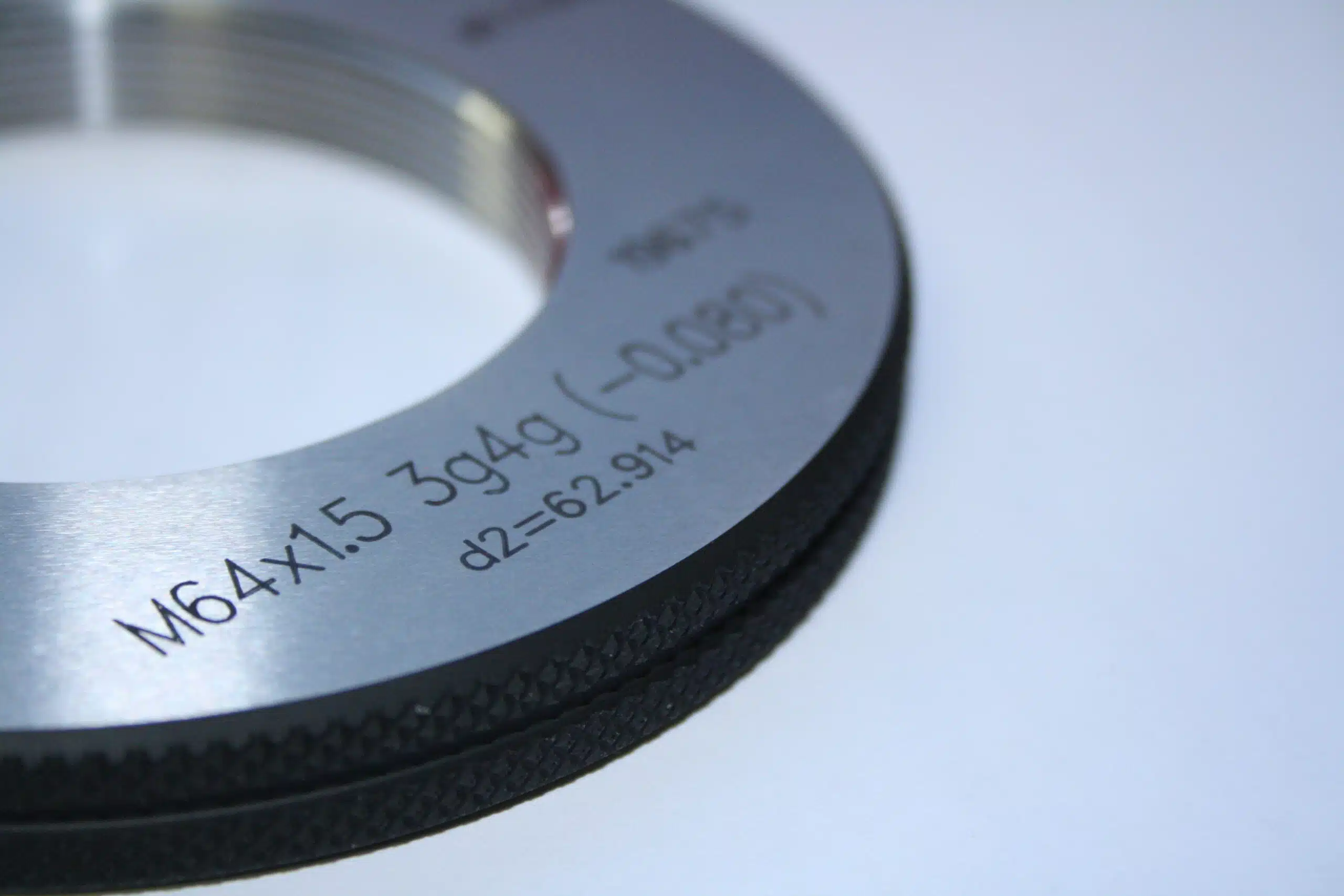
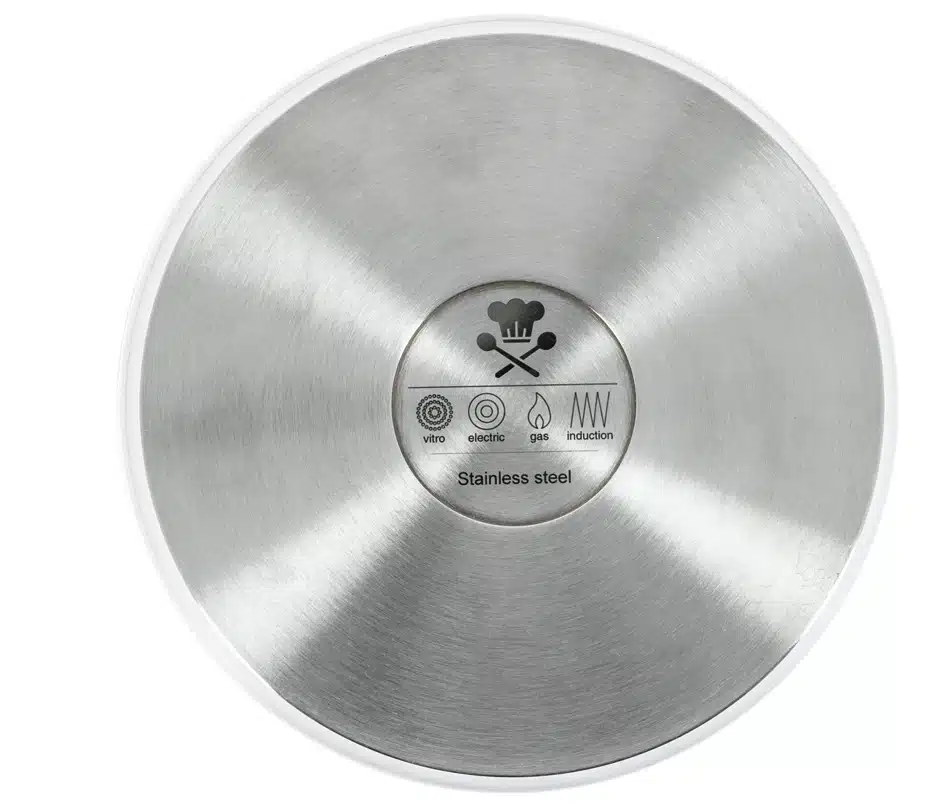
Annealing marking is particularly used in industries where:
Application examples:
Design or decorative stainless steel components

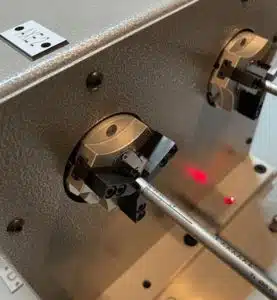
Medical implant
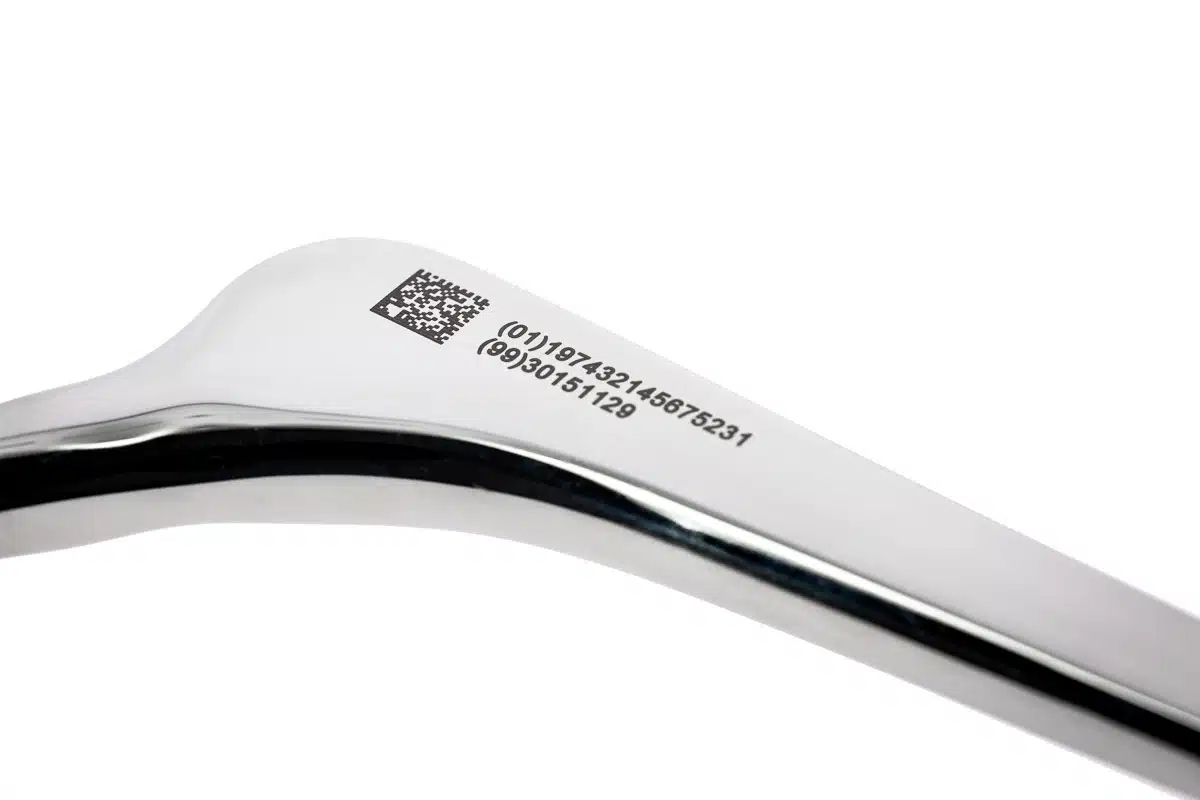
Marking in the medical field involves a wide variety of shapes and parts—often complex and sensitive. After marking, materials must remain chemically inert to allow fast, easy, and effective cleaning.
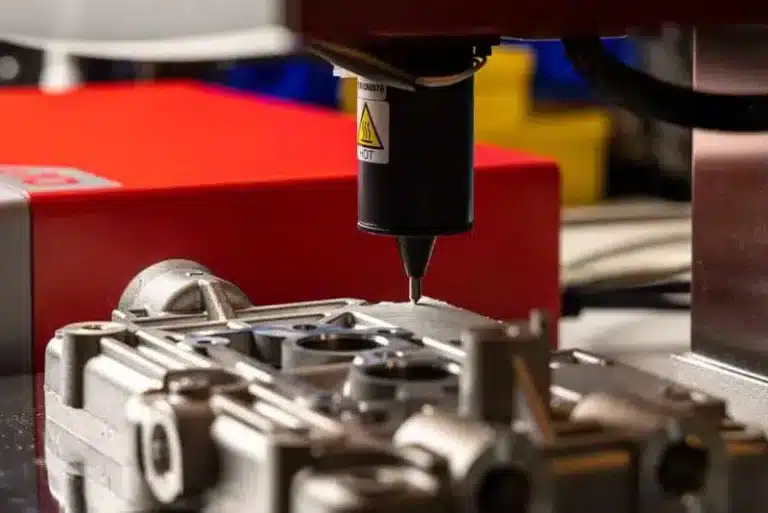
Dot peen marking technology or laser marking enables quick and reliable identification of surgical instruments, for example.
When combined with traceability software, re-reading Data Matrix codes ensures full traceability of instruments throughout the sterilization process and in the operating room.
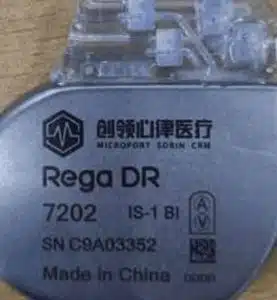
Medical pacemaker
The customer, a pacemaker manufacturer, wanted to integrate a marking system into its high-speed production line while ensuring that the marking process would not compromise the anti-corrosion protection of its products.
Want to learn more?
Contact us!