Industrial traceability is structured around three complementary levels:
upstream traceability, which enables the identification of the origin of raw materials, components, and suppliers;
internal traceability, which records transformation operations, machines used, and production parameters within the industrial facility; and
downstream traceability, which ensures the tracking of batches or individual units through to end customers and field applications.
Today, traceability is considered a strategic pillar of performance and industrial compliance.
It makes it possible to document the origin of components, facilitate audits, and reduce legal risks. It also enables the rapid isolation of incidents, the implementation of targeted recalls, and the continuous improvement of processes through the structured use of data derived from identification and production.
To address industrial parts traceability challenges, SIC MARKING relies on complementary technological building blocks, covering physical part identification, permanent marking, identifier reading, and integration into production environments.
This comprehensive approach is based more specifically on:

Industrial traceability relies on complementary technological building blocks that ensure identification, tracking, and the effective use of information throughout the part lifecycle.
These building blocks form the operational foundation of any reliable traceability system by linking the physical part to its associated industrial data, from manufacturing through inspection and operational use.
The technological building blocks of industrial traceability are based on:
These interdependent building blocks ensure data quality and data reliability at the source, independently of software layers dedicated to governance and long-term archiving.
Industrial traceability goes beyond a simple documentation requirement: it addresses multiple, cross-functional challenges.
To be effective, traceability relies on a coherent technical chain – identification (serial number, DataMatrix, unit or batch identifier, product reference, manufacturing date, team code), durable marking, reliable reading, and data utilization – which transforms production information into traceable and archived evidence, thereby reducing regula
The choice of marking technology depends on the identifier density, required durability, material, and production speed.
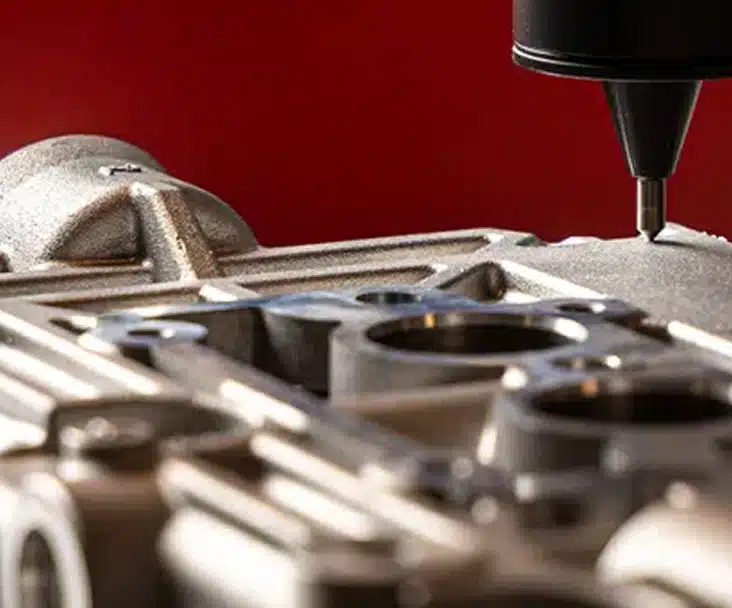
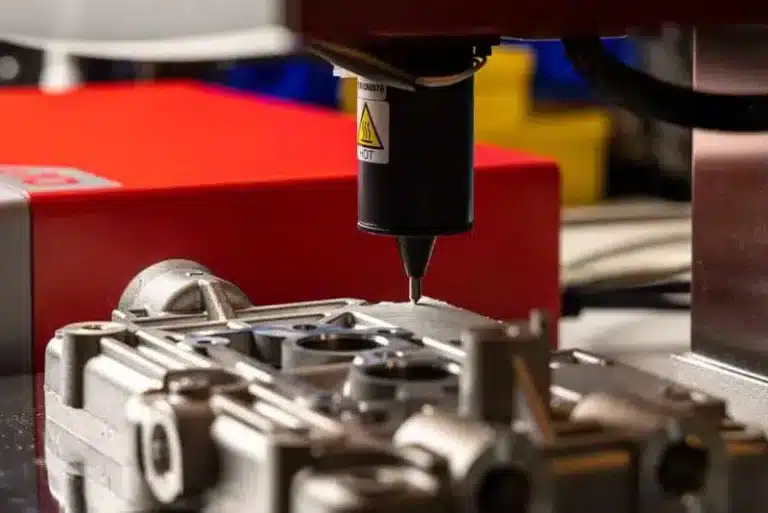
Laser marking is preferred for high-density identifiers and automated lines, dot peen marking for harsh environments, and scribing for simple markings readable by humans.
Our Solutions