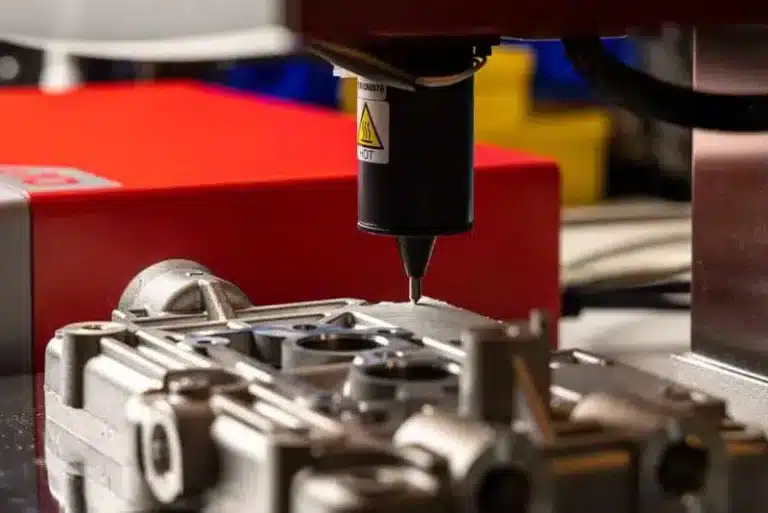
In many industrial environments, traceability is still mostly viewed as a final step in the manufacturing process, once the part is finished, inspected, and ready to leave the workshop.
This approach, while common, quickly shows its limits when the objective is to secure the entire production cycle, from raw material reception to the finished product.
Between material intake and final marking, multiple operations take place, often accompanied by intermediate checks, separate tracking documents, or manual procedures intended to link the machined part back to its material origin.
These methods, heavily dependent on human rigor and proper information transfer, can lead to uncertainty, time loss, and increased risk in the event of errors or non-conformities.
In this context, several questions regularly arise in operational environments:
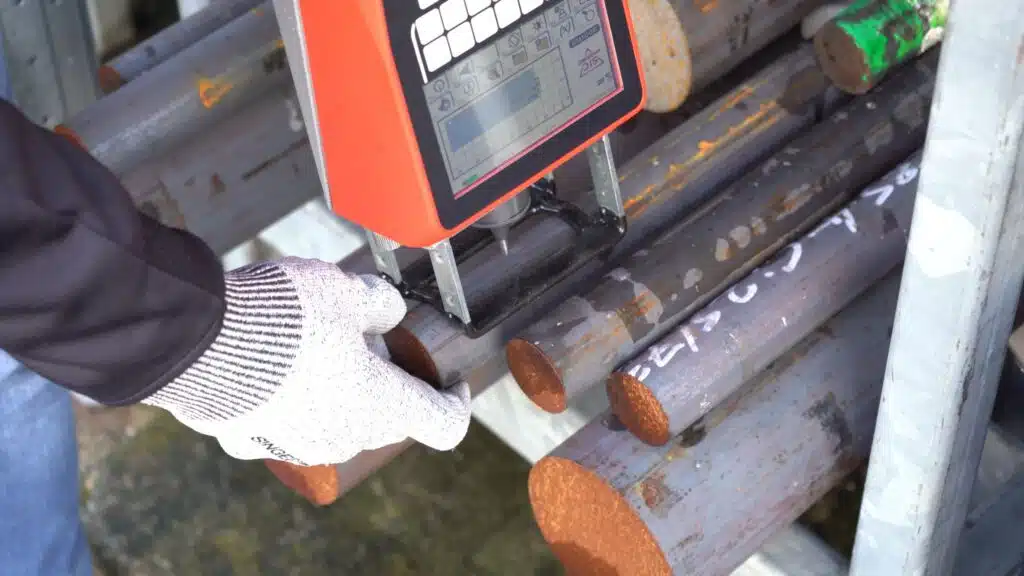
When marking is carried out directly on the raw material, whether bars, sheets, or billets, the information becomes inseparable from the part throughout its industrial journey.
Essential data such as material grade, batch number, supplier, or reception date remain accessible at every stage, without relying on temporary labels or external tracking systems.
This continuity of information improves process reliability, reduces uncertainty, and supports faster, more informed decision-making, both in production and during quality analysis.
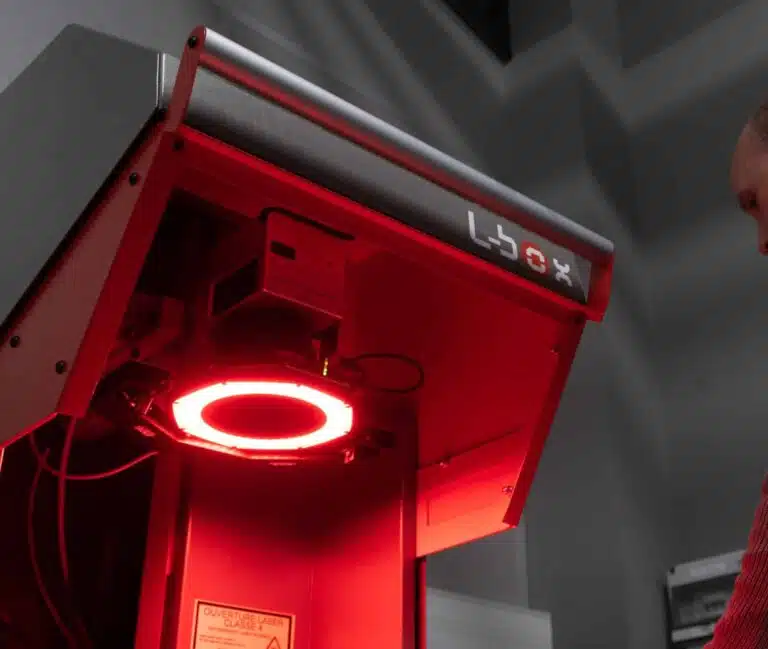
At SIC MARKING, this approach translates into solutions designed to operate as close as possible to the material, where traceability truly begins.
The portable L-MOOV laser enables precise and readable marking on a wide range of materials, while e-MARK EVO, our portable dot peen marking machine, offers a robust and easy-to-use solution, perfectly suited to industrial operating constraints.
Thanks to marking carried out upstream in the process, workshops benefit from reliable identification before machining, improved batch management with priority consumption of older materials, and immediate traceability of the batch and supplier in the event of non-conformity, making it possible to control costs and operational impact.
Traceability is therefore not only a regulatory requirement or a final step in the production cycle.
When integrated from the very beginning, it becomes a true lever for industrial performance and process reliability.
Need information ?
Contact one of our experts !