Case study
Premium automotive manufacturer
Body in White (BIW) car bodies in bare steel, assembly line running 120 vehicles/day (Germany)
Limits of the existing process
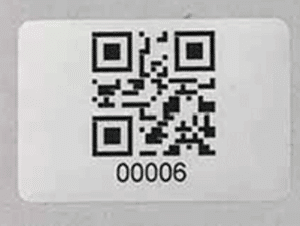
Hand-applied adhesive labels: €80k per year in labor, plus the complete body scrapped whenever a label peeled off or became unreadable
Laser, high contrast on steel
Laser annealing marking: zero material removal, compatible with the downstream paint process
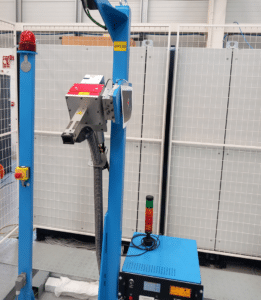
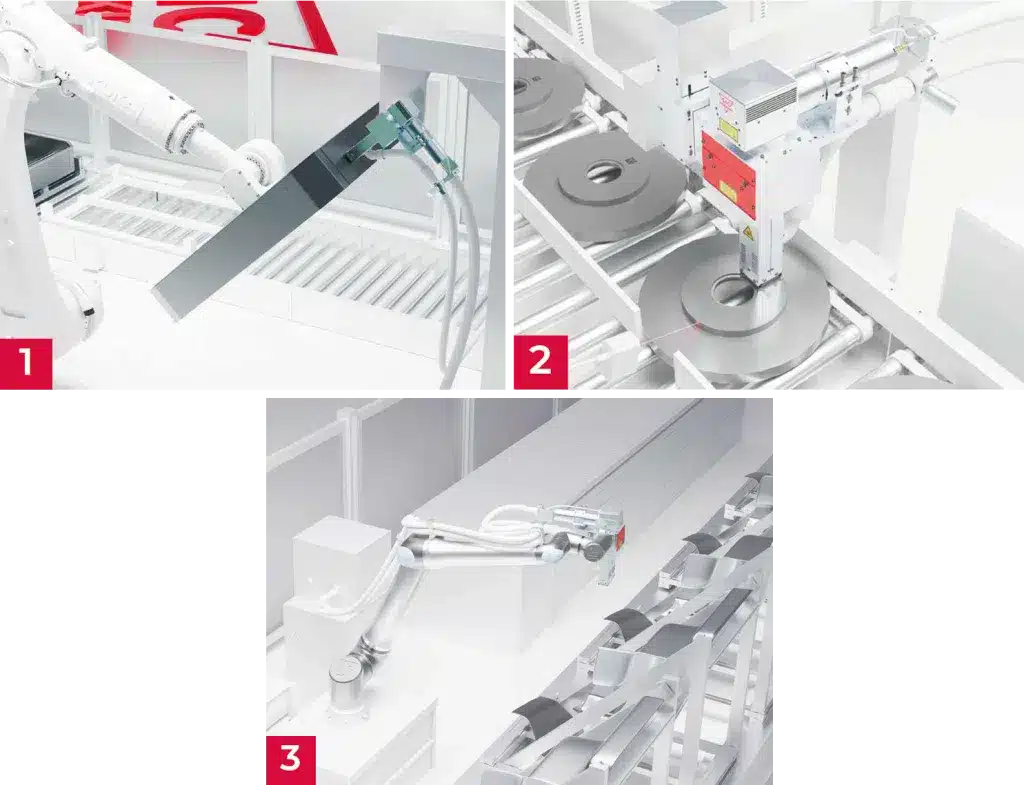
Compact inline integration
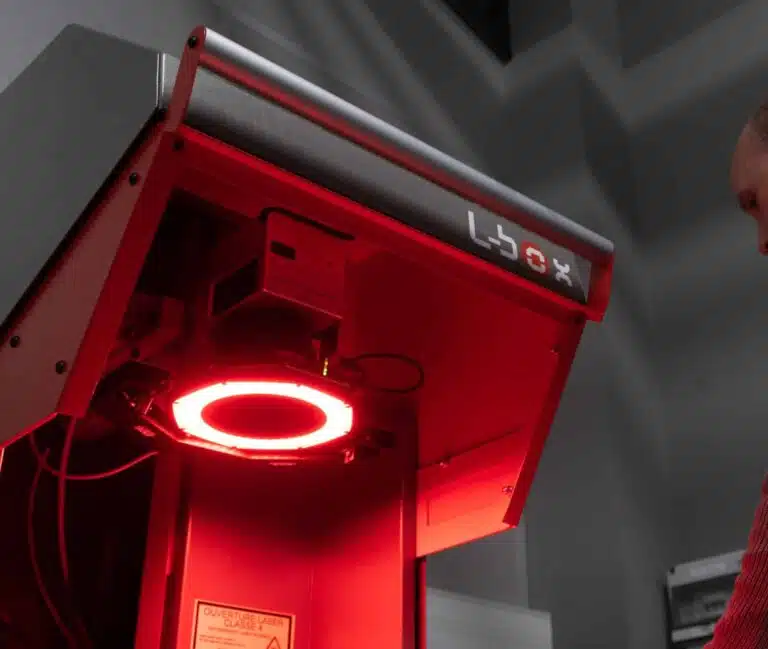
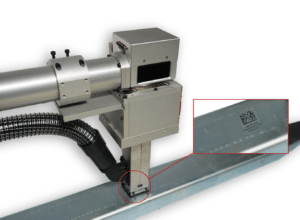
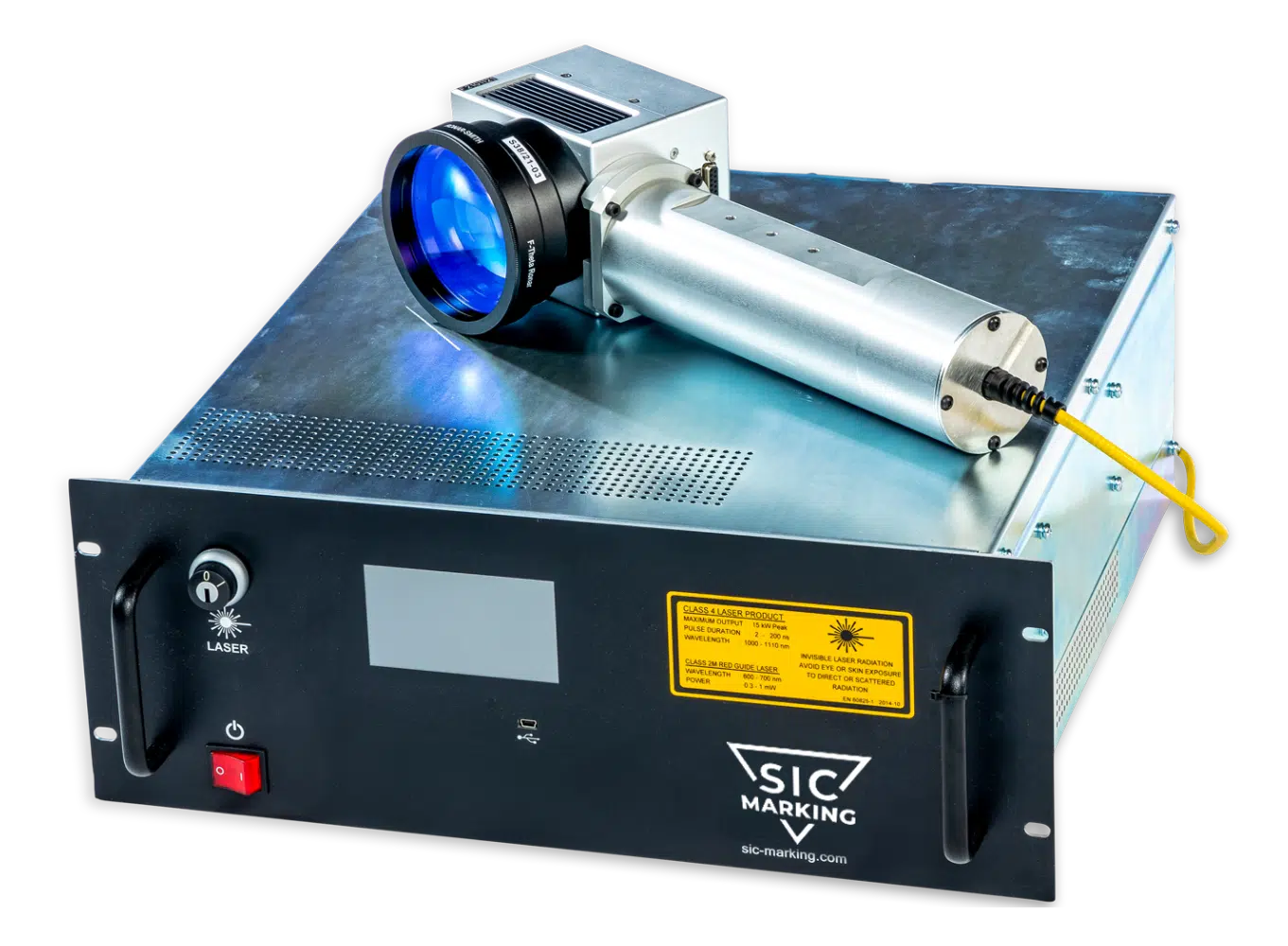
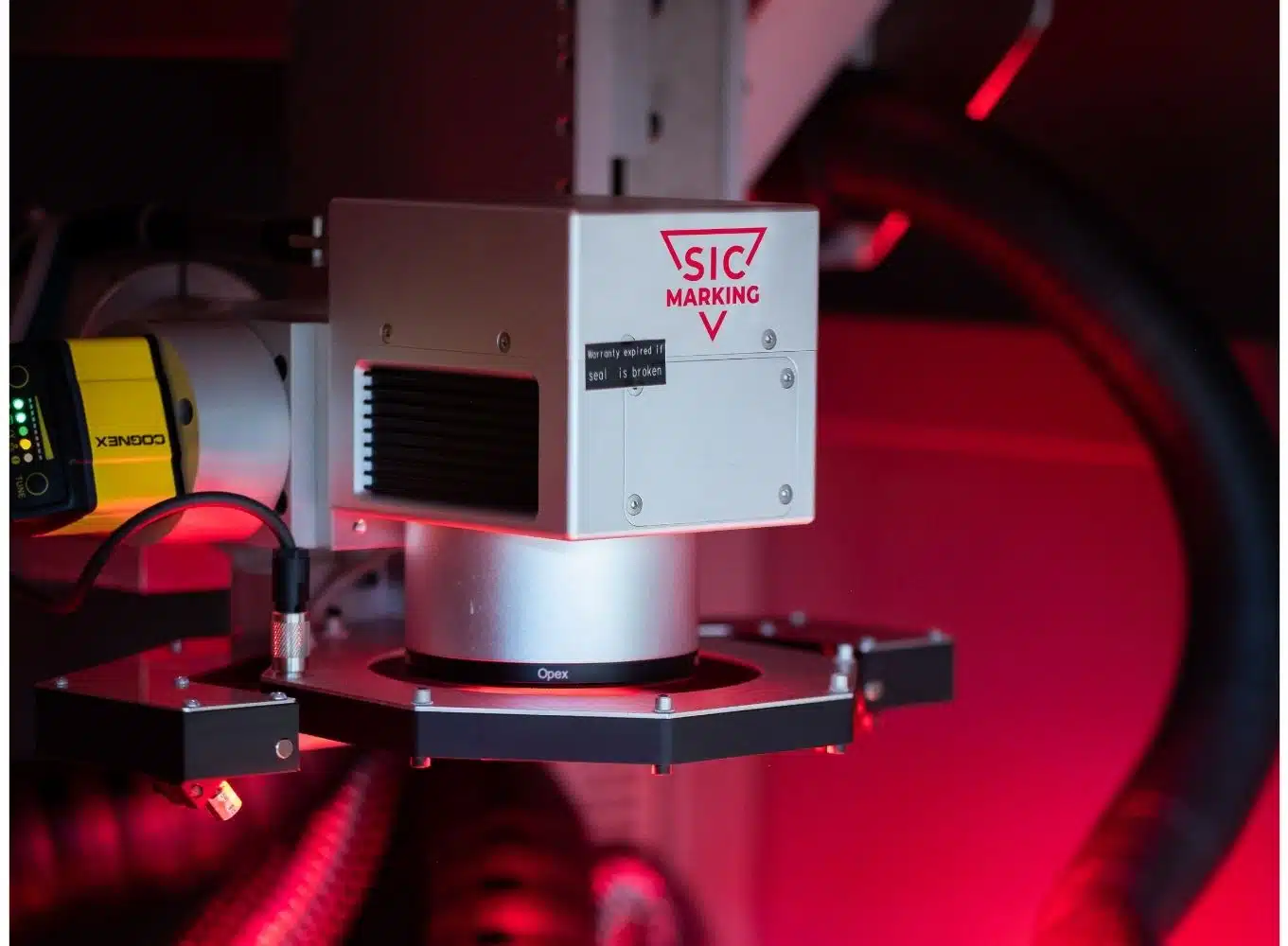
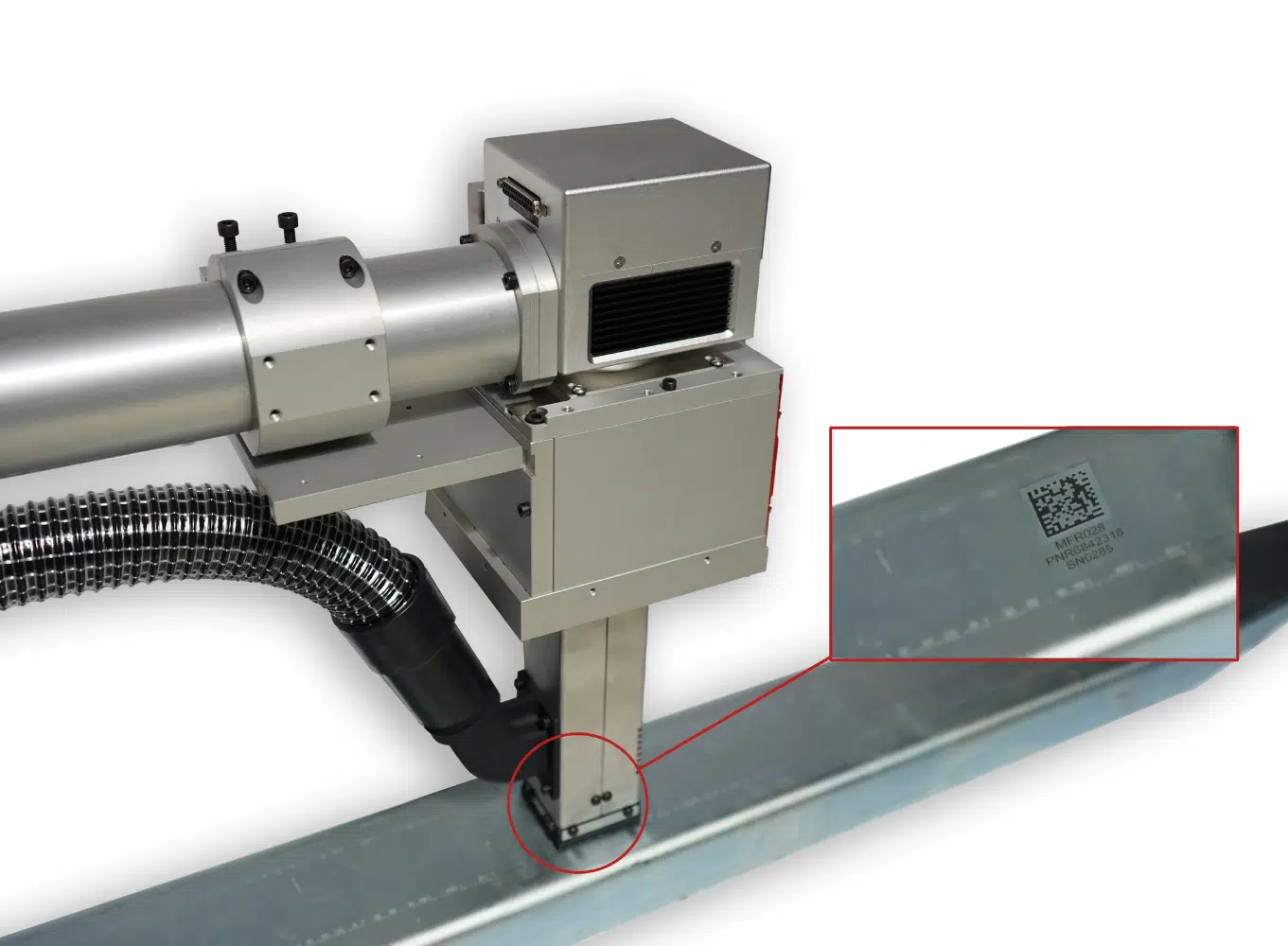
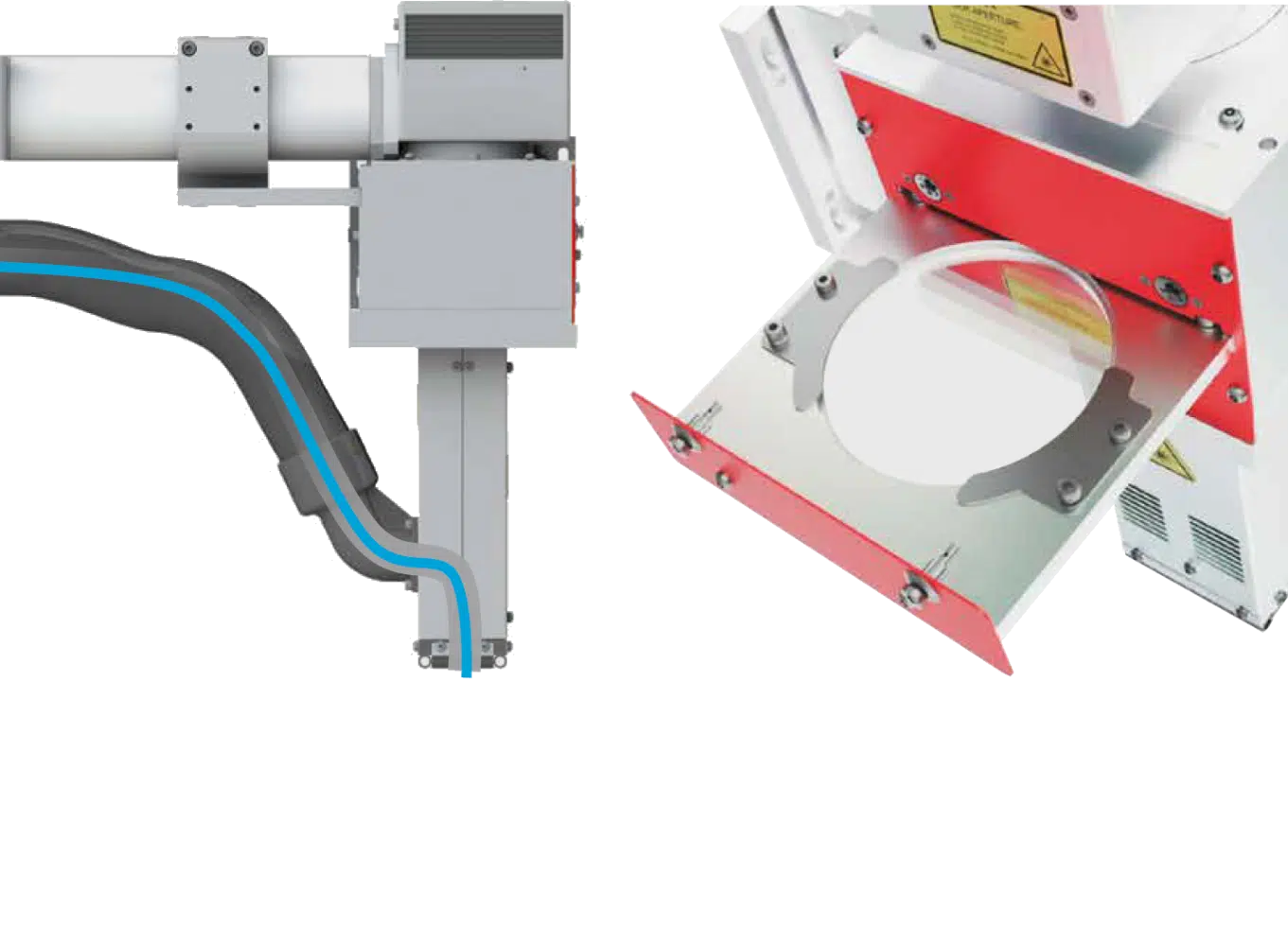
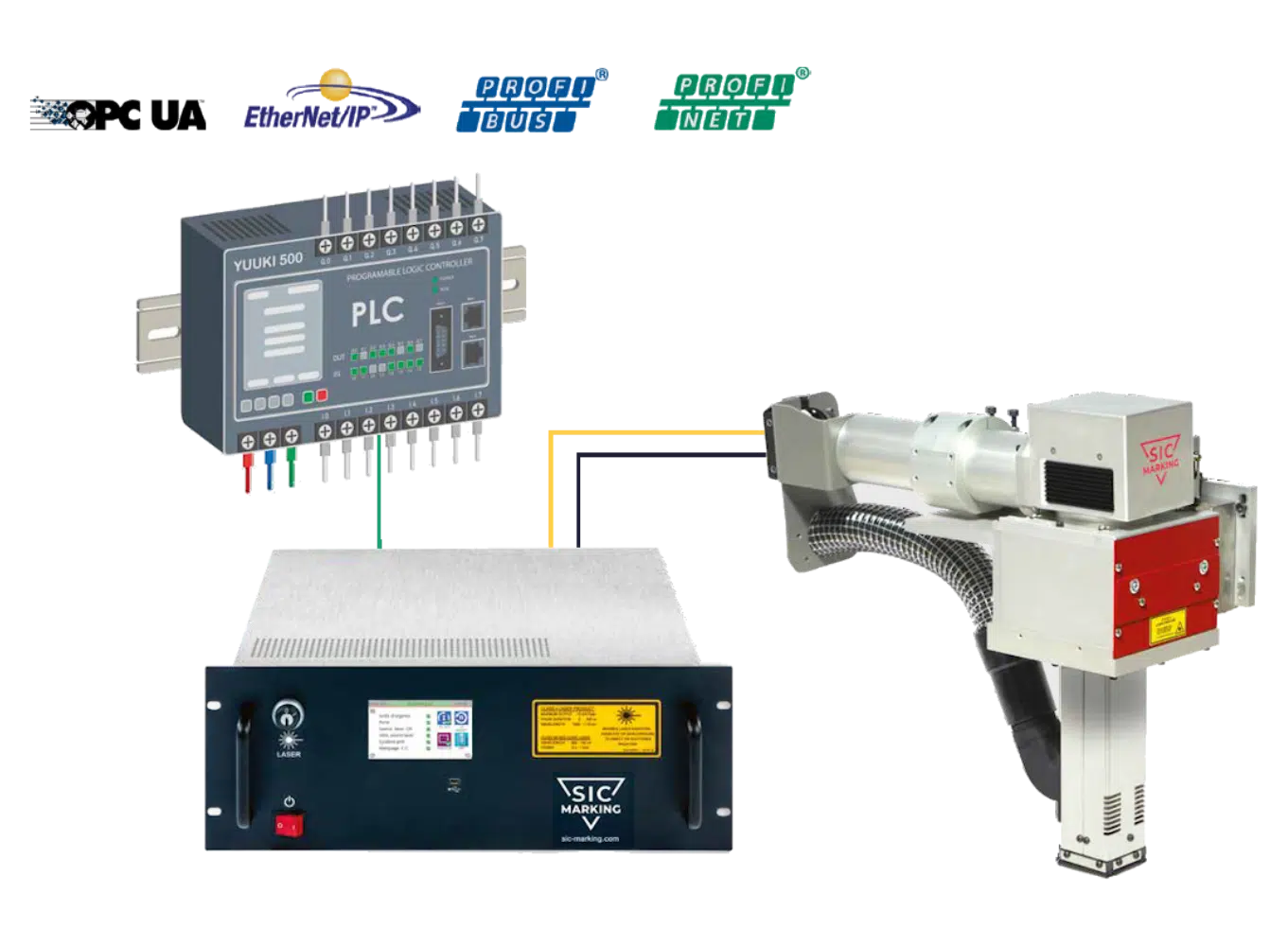
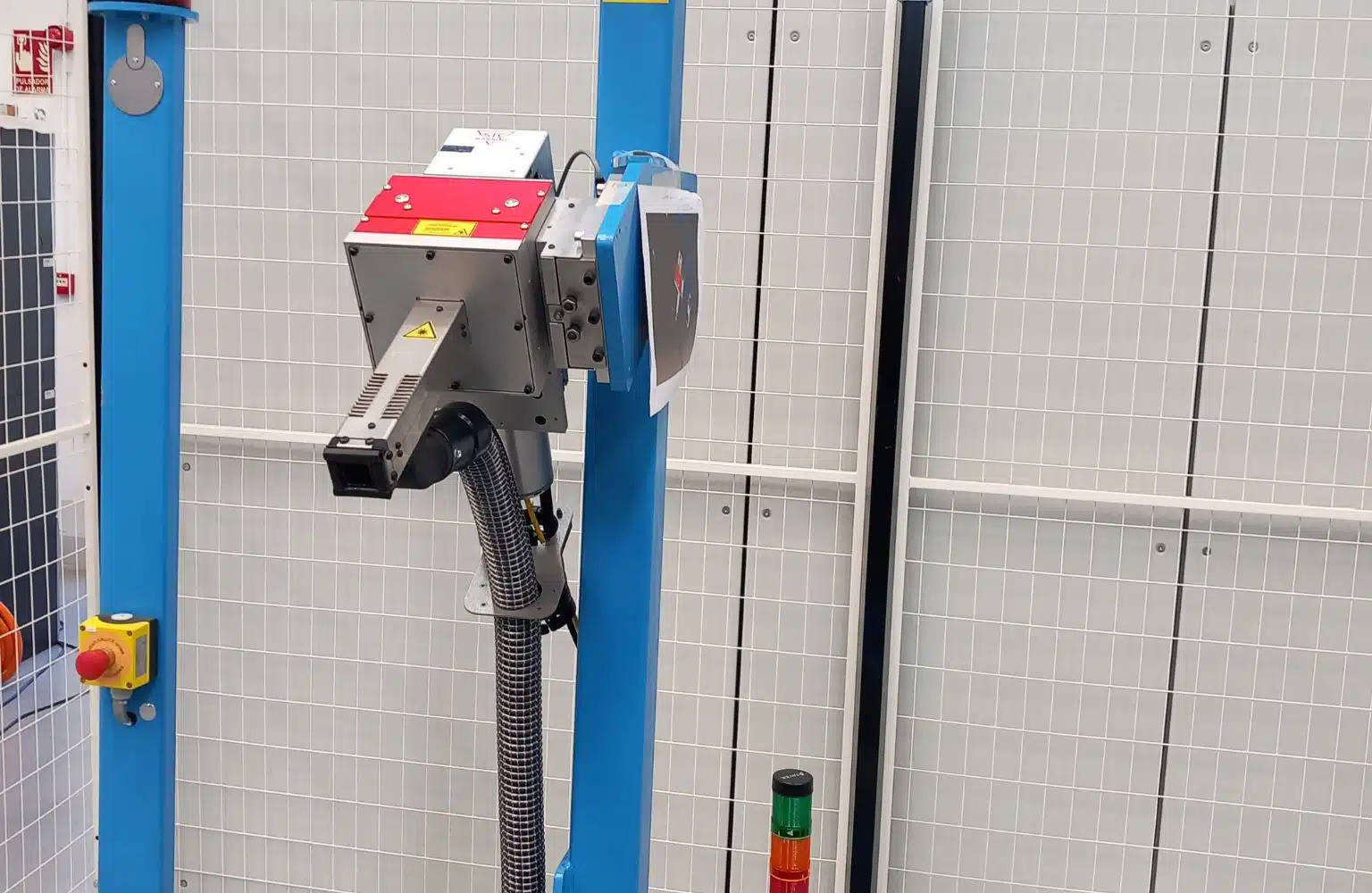
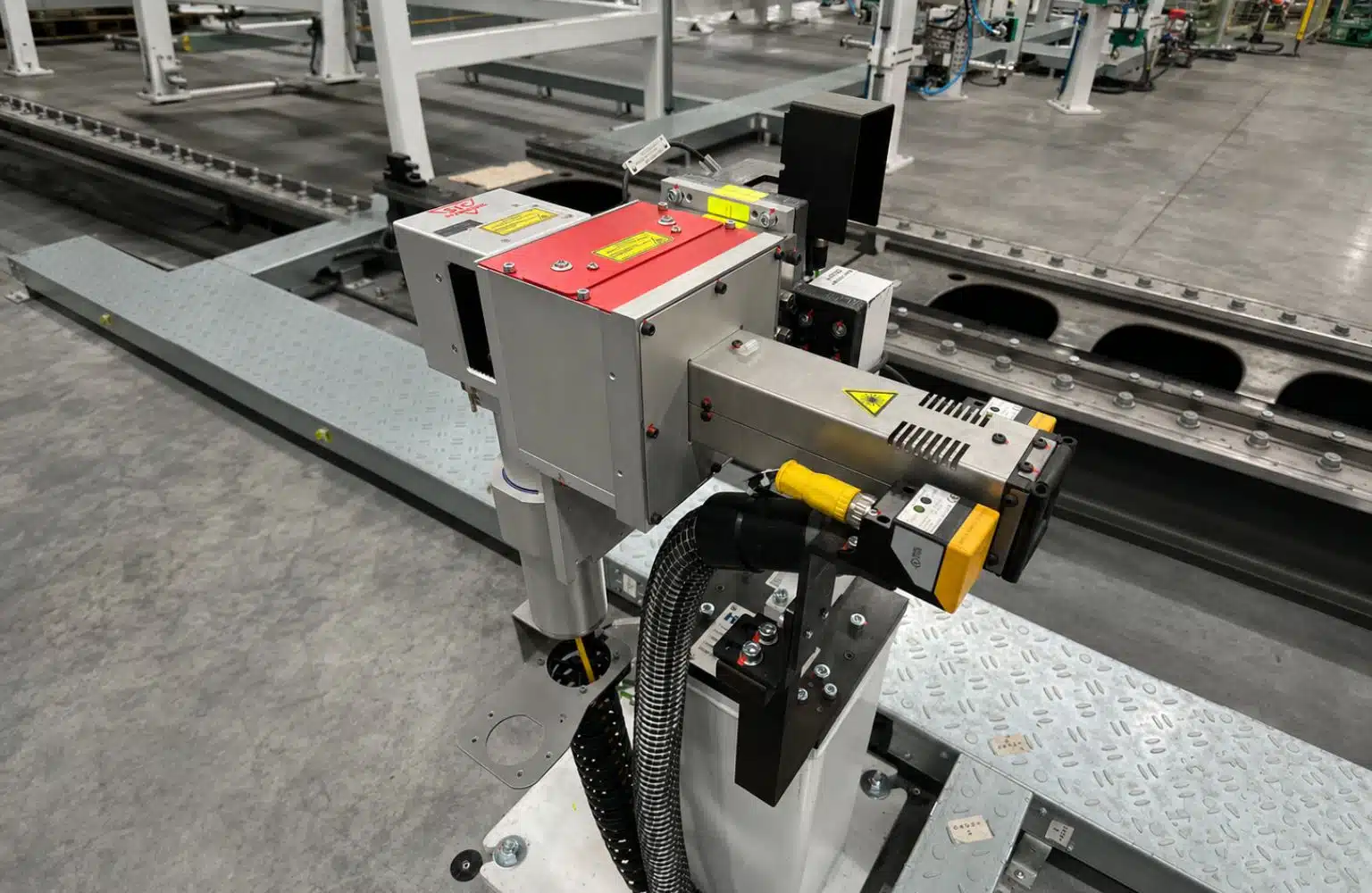
FIT 50W fiber laser, 30 × 30 mm marking window, throughput matched to the assembly line cycle time
On the Body in White line at Mercedes, every body had to carry an identification label throughout the assembly sequence, from the first welded part until the completed body entered the paint shop. The label was then removed before painting. This process relied on a dedicated operator whose only job was to apply the labels by hand, at an annual cost of roughly 80,000 euros.
The real exposure, however, lay in what happened when a label failed. If a label peeled off or became unreadable during production, the partially assembled body lost its identification. With no reliable way to restore traceability at this stage, the body had to be scrapped. Given the value of a Body in White at an advanced stage of assembly, every incident meant a major financial hit, far beyond the cost of the label itself.
Mercedes needed a marking method that stayed legible through the entire assembly process, withstood handling and line conditions, and was compatible with the downstream paint operation.
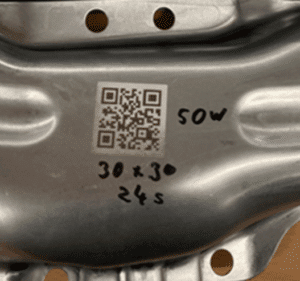
The laser marking of the Body in White had to meet two requirements that seemed to contradict each other: deliver enough contrast to guarantee reliable reading throughout assembly, with no material removal and no change to the surface roughness.
That constraint extended downstream in the process. Once assembled and identified, the body moved on to the paint shop. At that point, the marking had to vanish under the paint layers without leaving any trace. This ruled out any process that creates relief, an impression or a micro-deformation that could show through the finish.
At 120 vehicles per day, the marking operation also had to fit within the existing cycle time, with no buffer storage and no manual intervention, and with enough repeatability to keep the same legibility on every body without operator adjustment.
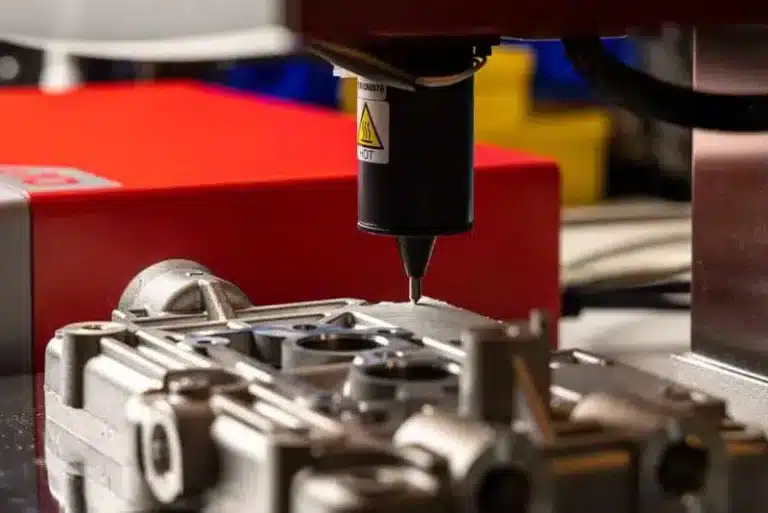
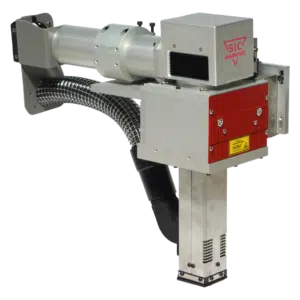
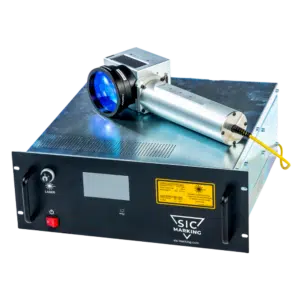
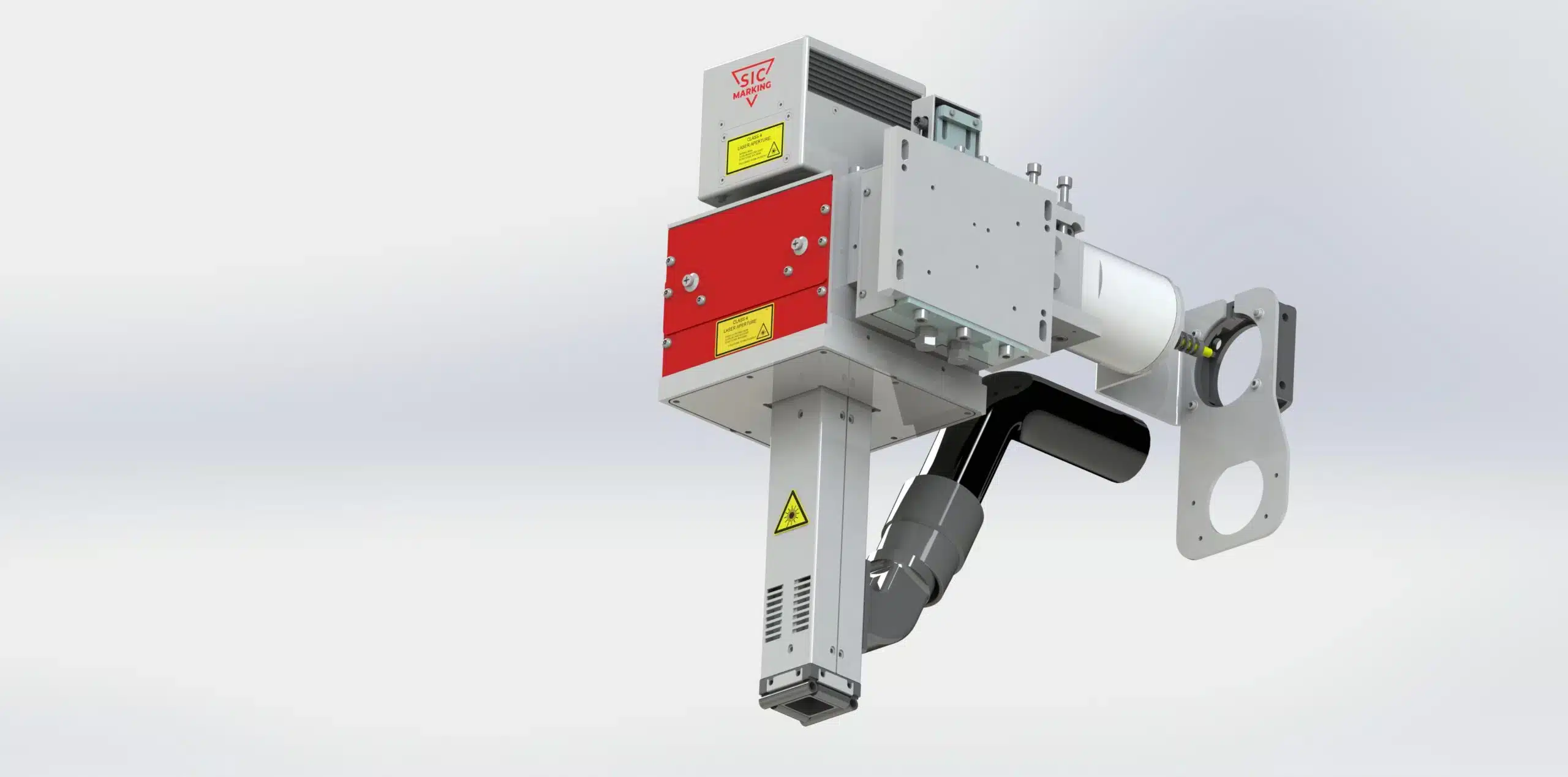
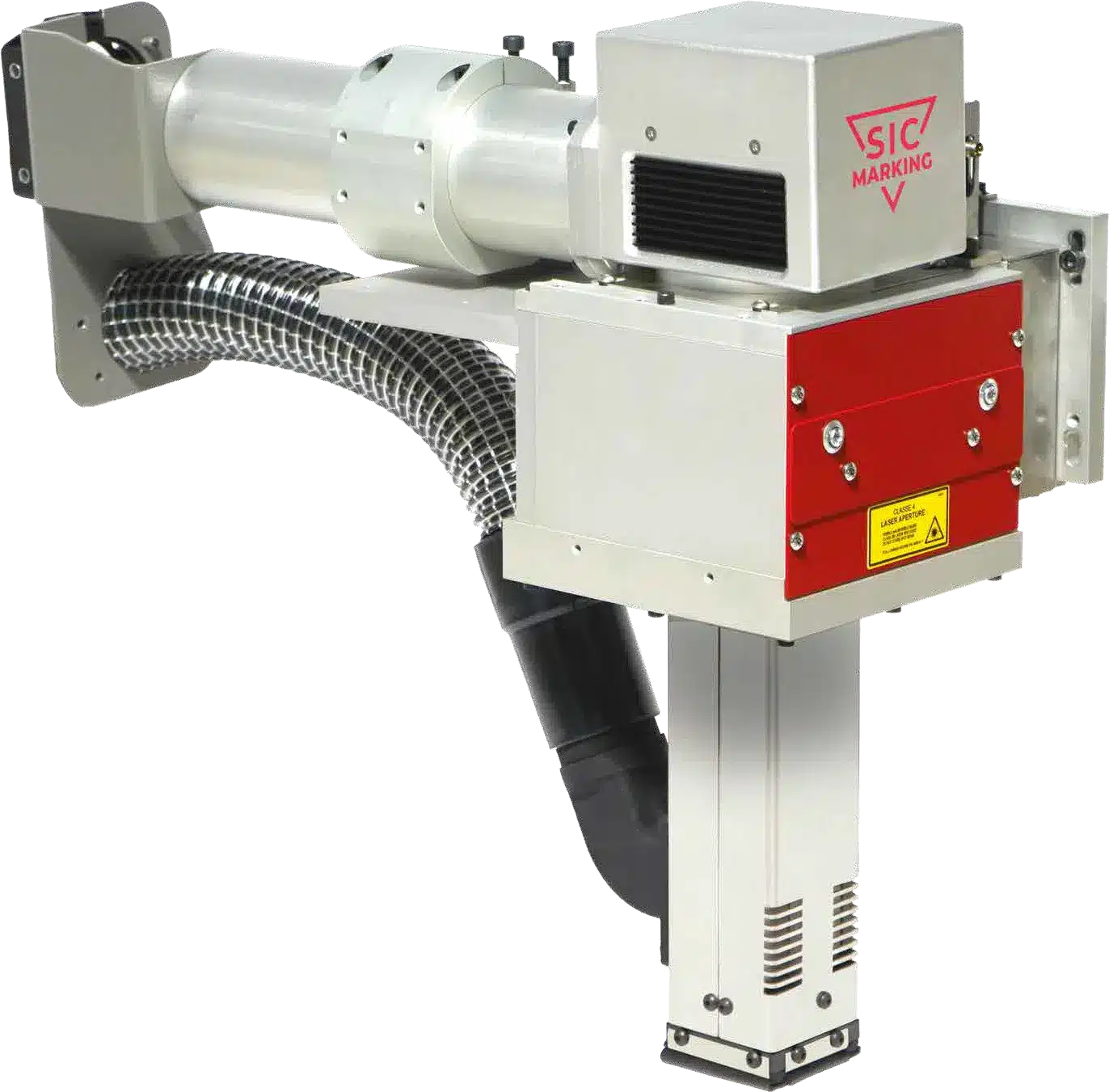
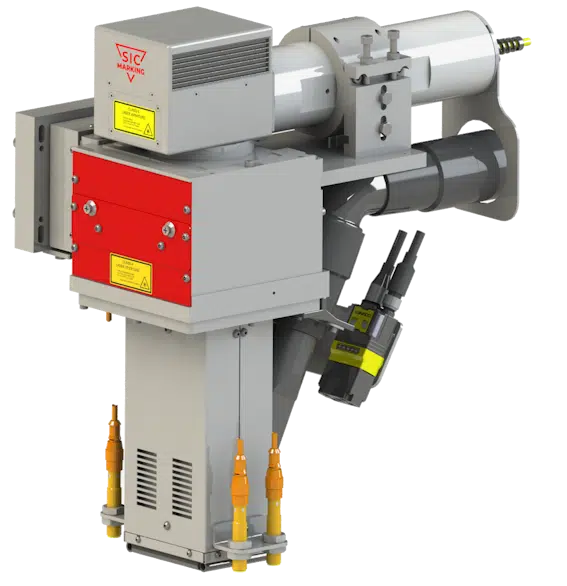
SIC MARKING proposed a FIT 50W fiber laser with a standard 30 × 30 mm marking window, suited to the integration constraints of the Mercedes line. The FIT platform was selected for its compact footprint and its ability to integrate into automated production environments.
The marking mode selected is annealing. Rather than engraving or ablating the steel surface, the laser heats the material in a controlled way, producing a visible oxide layer beneath the surface. This color change (typically dark, with high contrast) ensures legibility with zero material removal. The corrosion resistance of the steel is preserved because the surface remains intact.
This approach directly addressed both critical constraints: the mark is permanent and withstands mechanical contact during assembly handling, and it creates no surface irregularity that could affect the paint process. The marking is simply painted over along with the rest of the body, with no removal or additional preparation required.
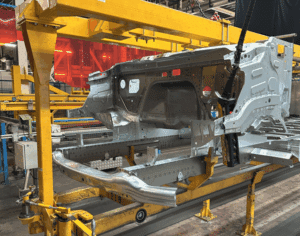
By replacing adhesive labels with permanent laser marking, Mercedes eliminated the main source of traceability failure on the Body in White line. The mark cannot peel off, degrade or become unreadable during the assembly sequence. The risk of scrapping a partially assembled body due to lost identification has been removed.
The operator dedicated to applying labels, a cost of €80k per year, is no longer needed for this task. The laser marking runs without manual intervention, within the existing production cycle time.
Laser annealing marking preserved the corrosion resistance of the bare steel, a non-negotiable requirement for Body in White components ahead of e-coat and paint. The mark is painted over without interfering with the finish, making it fully compatible with the downstream process.
Our solutions
Explore our products
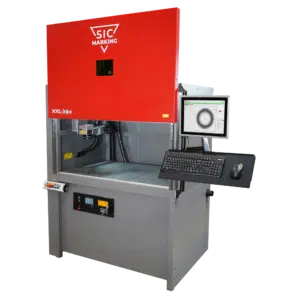
Explore our flagship laser, dot peen and scribe marking equipment: portable machines, integrable modules for production lines, and standalone marking stations.